
Témoignage propriétaire
ARC Rally 2025: SNIKY’s Atlantic Crossing Experience on a Nautitech 48 Open
World tour


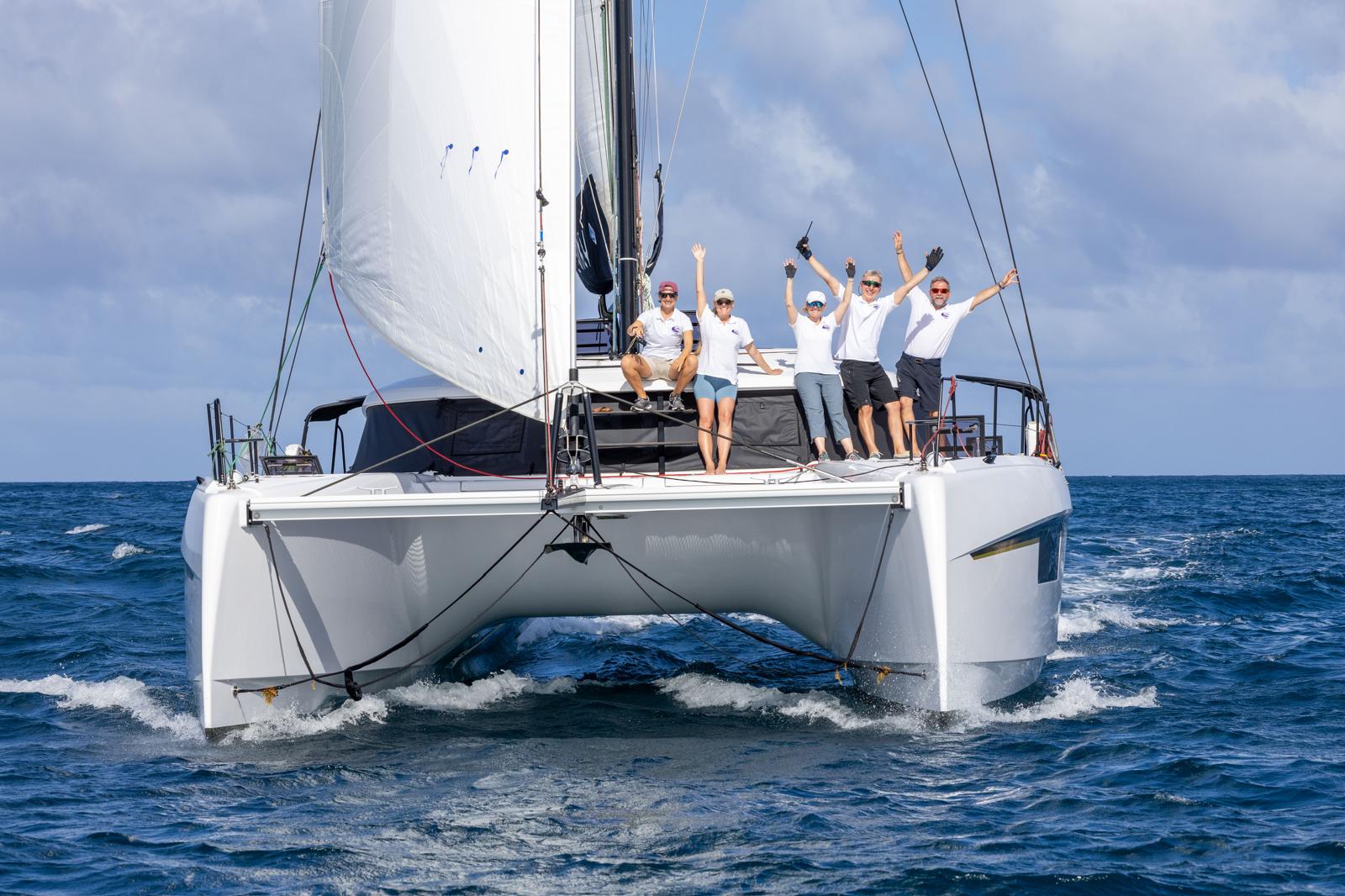
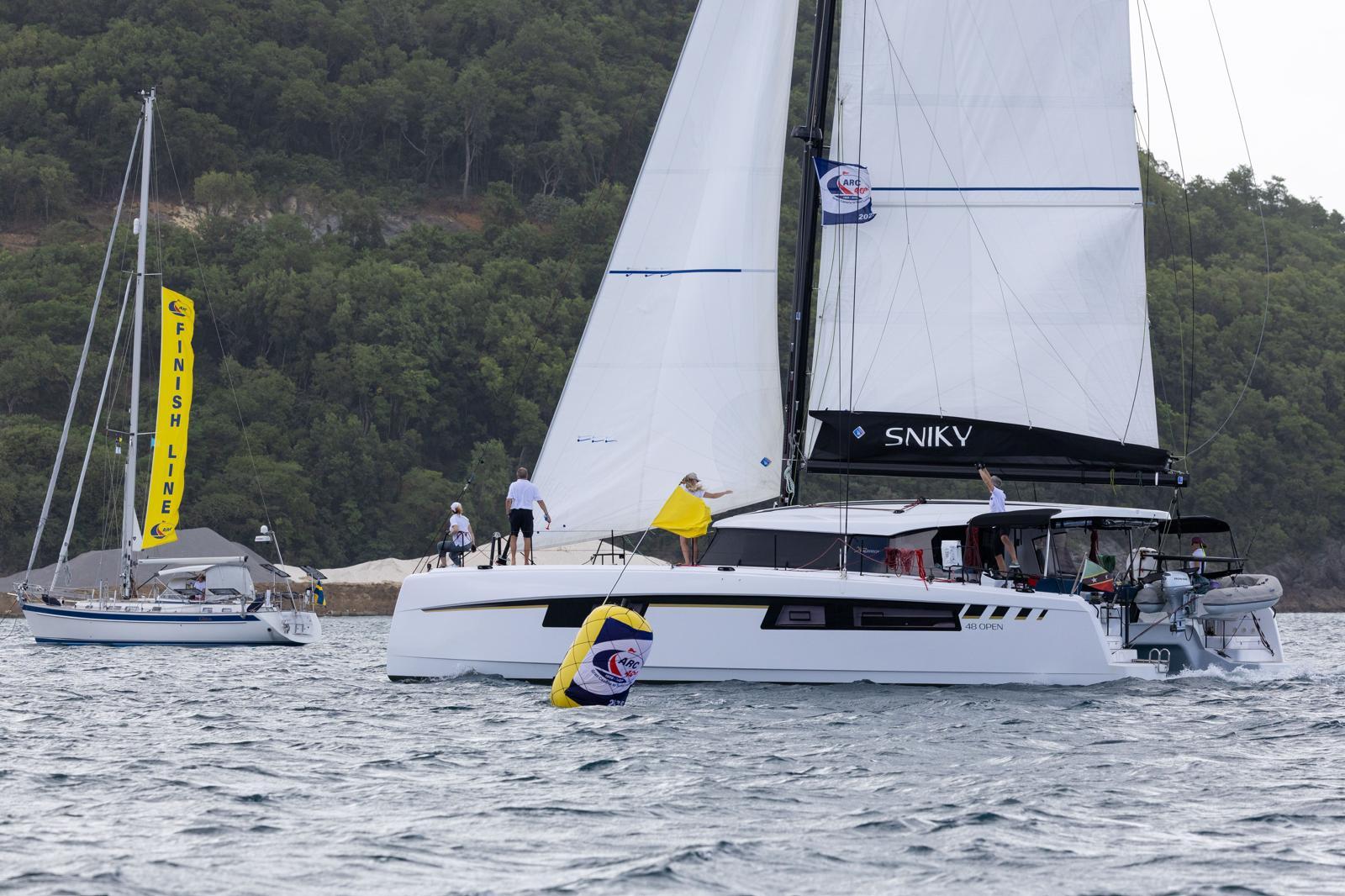
“The sense of achievement was huge. We were extremely happy to cross the finish line.”
Crossing the Atlantic by catamaran is one of sailing’s most iconic adventures. Every year, the ARC Rally (Atlantic Rally for Cruisers) gathers hundreds of boats ready to sail from the Canary Islands to the Caribbean, carried by the trade winds.
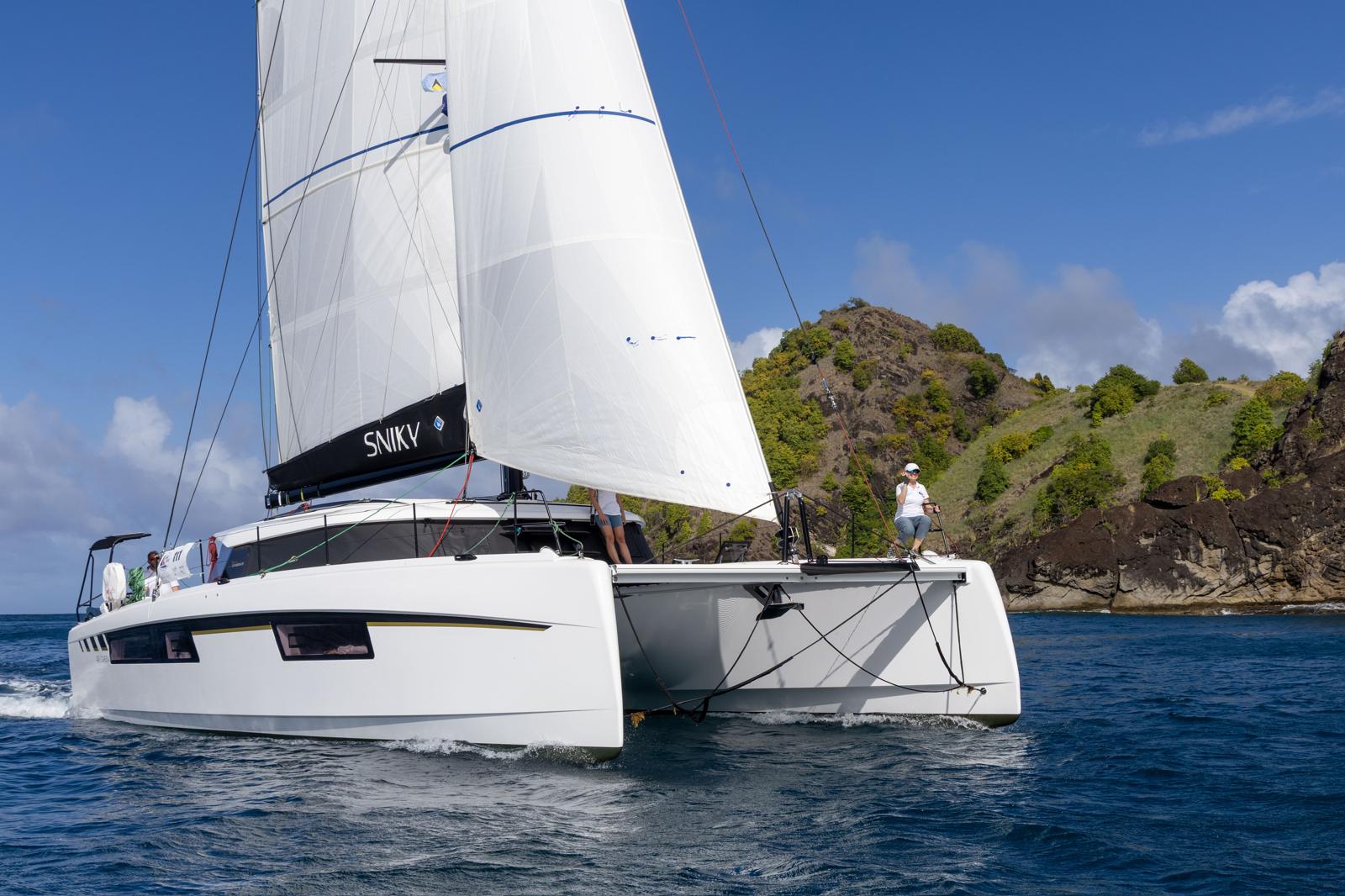
In 2025, the Nautitech 48 Open SNIKY joined the fleet. After weeks of preparation in Las Palmas, the crew set off on a journey of more than 2,700 nautical miles across the Atlantic Ocean.
When they finally crossed the finish line, the feeling was unmistakable: a deep sense of accomplishment after completing a demanding ocean passage.
Beyond the excitement of arrival, the crossing confirmed the qualities of the Nautitech 48 Open as a capable bluewater cruising catamaran.
A Nautitech 48 Open at Home in Ocean Conditions
During the ARC Rally Atlantic crossing, SNIKY’s crew encountered a wide range of conditions: calm seas, steady trade winds, ocean swell and periods of stronger wind.
Throughout the journey, the Nautitech 48 Open proved reassuring, stable and comfortable.
“Excellent !! Perfect ocean cruising boat. The boat is very stable, quiet inside and you can feel the quality of the build. Sailing through different types of weather (calm and stormy) we could feel the sense of security and safety. All the little noises and squeaks that appeared from time to time were acceptable as there was lot of movement on the water and the boat was managing big ocean waves with grace.”
Stability and smooth motion made a significant difference for the crew during long days and nights at sea.
Despite carrying significant weight — with large amounts of equipment and provisions loaded before departure — the boat maintained impressive performance.
“Safety and comfort. The performance, i.e. speed was also impressive given that our boat was heavier than usual (with all the purchases we did in Europe). I believe it would have sailed faster had we removed all the unnecessary weight.”
Maintaining strong sailing performance even in a fully equipped cruising configuration is a major advantage for long ocean passages.
When the Wind Builds, the Boat Really Performs
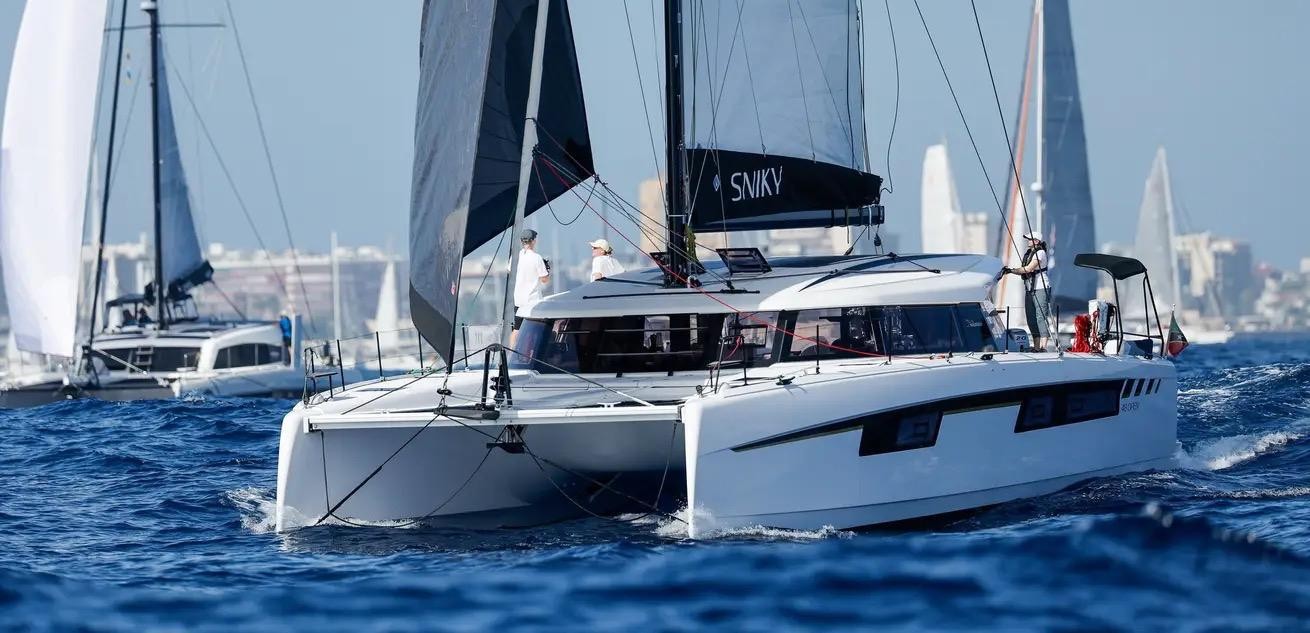
Interestingly, the most demanding sailing conditions were often where the Nautitech 48 Openperformed best.
“The stronger conditions are actually where the boat really shines. We were almost looking for bad weather, because that’s where the good winds are and that’s when the boat performs well.”
According to the crew, the boat truly comes alive once the true wind exceeds around 20 knots.
In these conditions, the catamaran combines:
- steady speed
- excellent stability in ocean swell
- very predictable handling under sail
- reassuring control for the crew
These qualities are especially valuable during a transatlantic crossing, where reliability and comfort are just as important as raw speed.
1
Preparation: A Key Factor for a Successful Atlantic Crossing
A transatlantic passage requires careful preparation, and SNIKY’s crew invested significant time and effort before the start of the ARC Rally.
The project involved a complete ecosystem around the boat and crew:
- technical preparation of the yacht
- crew organization and training
- logistical planning
- professional support and advice
Looking back, the crew believes this preparation played a major role in the success of the crossing.
“This ecosystem was essential, looking back I can see how we could have done a few things better, but having all these components in place were absolutely essential for the success of this crossing”.
At the same time, the experience highlighted areas for improvement for future long-distance sailing.
“It would be useful to sail more together before departure to better align everyone’s expectations and personal goals. All crew members were very professional and worked well toward the common goal. Each such crossing is an opportunity to learn and evolve as a better sailor.”
2
Finding the Right Rhythm at Sea
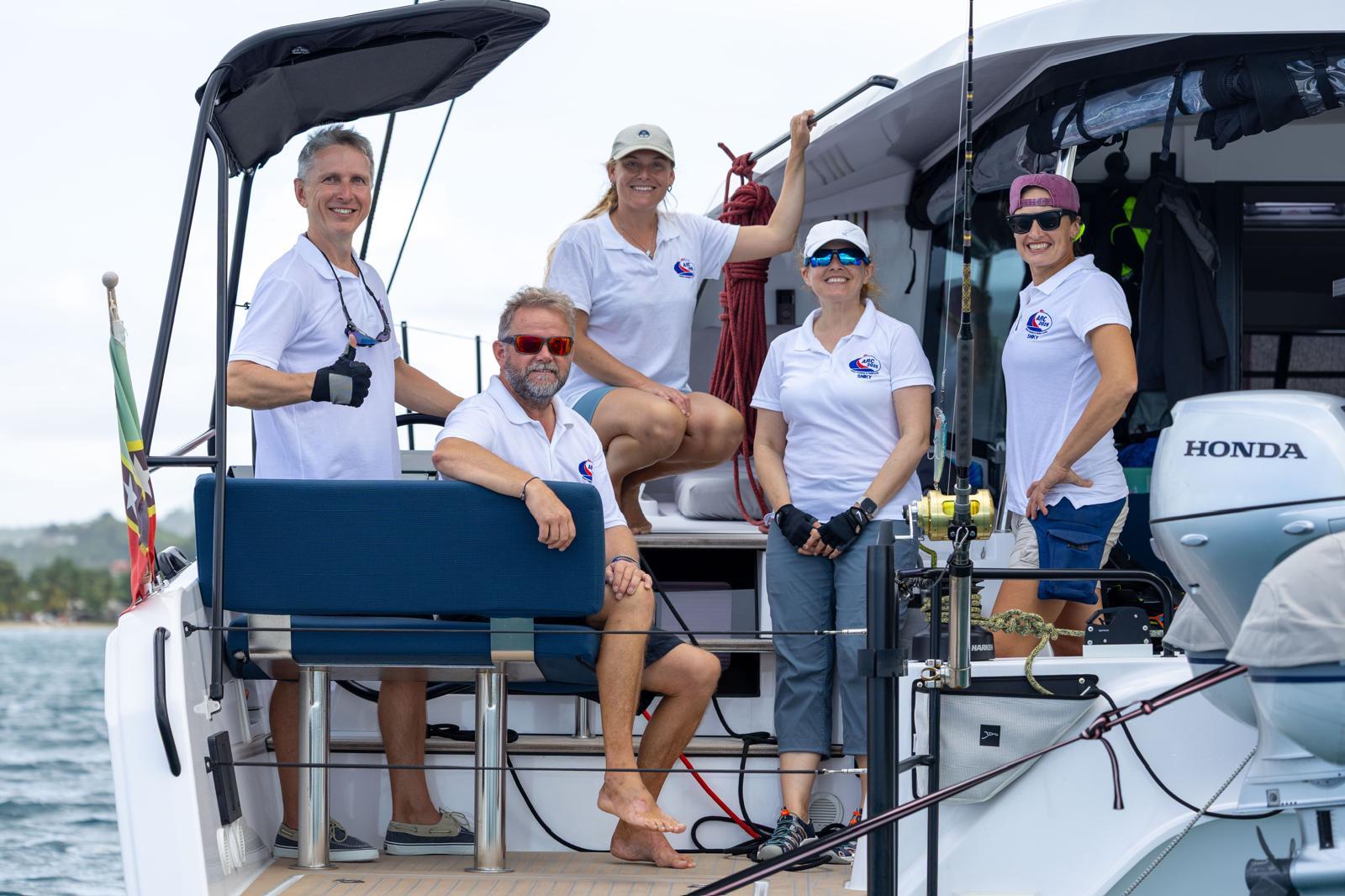
Once offshore, life on board quickly settled into a natural rhythm.One pleasant surprise for the crew was how smoothly everyone adapted to life at sea.
“We had well defined watch schedules and responsibilities. However, because of the relaxed atmosphere while the watch schedules were adhered to, other responsibilities were not as strictly enforced and we were organically helping each other to cook, clean to make days pass. Every day was different and it kept it interesting. Every crew member found their own routine/rhythm and we were able to share the limited space on the boat efficiently.”
Before departure, the crew had naturally wondered how everyone would adapt to life at sea during such a long passage. In reality, the transition happened far more smoothly than expected. None of the crew members experienced seasickness, no health issues disrupted the journey, and the team quickly settled into the rhythm of offshore life.
One of the few surprising adjustments came from something much simpler: food.
“The surprising challenge was the way our body reacted to our usual diet – things that we eat and like onshore were not as enjoyable offshore. We had to adjust our diet to make it as enjoyable.”
Adapting the onboard menu became part of the daily routine.
Energy Autonomy at Sea
Energy management is always an important aspect of long offshore passages.
On board SNIKY, the electrical system relied on a combination of:
- solar panels
- a generator
- high-capacity batteries
- advanced energy monitoring systems
This setup provided excellent autonomy.
“We never felt limited in our electricity consumption.”
The energy routine remained simple:
- solar charging throughout the day
- generator use in the morning and sometimes in the evening
- maintaining battery levels above roughly 55%
“Additional battery gave us more capacity to have no restrictions on using electricity during evenings and nights. To manage it properly we used the upgraded monitoring system.”
This allowed the crew to comfortably run navigation electronics, onboard systems and daily appliances.
3
The Parasailor: The Perfect Sail for the Trade Winds
Among the equipment used during the crossing, one sail quickly became the crew’s favorite: the Parasailor.
“ The Parasailor was THE sail to use during this crossing. It was SET and FORGET sail and it performed well in winds up to 37 knots”
The Parasailor provided:
- smooth and stable sailing
- strong performance in the trade winds
- easy handling for the crew
It proved effective in winds up to 37 knots, although the crew remained cautious when the wind exceeded 30 knots.
4
Managing Technical Challenges at Sea
Like any ocean crossing, the ARC Rally was not entirely free of technical challenges.
During the passage, the crew had to deal with:
- a broken masthead lashing, which made the gennaker unusable
- the loss of the primary autopilot
Thanks to proper preparation and redundancy on board, these issues were managed without compromising safety or progress.
The backup autopilot was quickly activated.
“The backup autopilot worked well. It simply required more manual corrections from the crew.”
The crew also inspected the rigging daily using binoculars to monitor potential chafe or wear.
The Magic of an Atlantic Crossing
Beyond sailing performance, crossing the Atlantic is also a deeply human experience.
Over the days at sea, the crew learned to share space, trust each other and adapt to the rhythm of the ocean.
Some of the most memorable moments were the quietest ones:
- night watches
- moonlight reflecting on the ocean
- the stars shining far from any light pollution
“Night watches with the moon reflecting on the ocean were magical moments.”
These moments remind sailors why so many dream of crossing the Atlantic by sailboat.
A Journey That Opens New Horizons
For SNIKY’s crew, the ARC Rally crossing was not the end of the adventure — it was only the beginning.
The next stage is already on the horizon: continuing towards Panama, and eventually sailing further around the world.
After completing their Atlantic crossing aboard the Nautitech 48 Open, the crew now moves forward with confidence — and a growing appetite for the next ocean passage.